From Slippery to Safe: Cleaning Algae Off Garden Paths
A green film on your garden path is more than a cosmetic problem. Algae can make paving dangerously slippery, particularly after rain or irrigation. Melbourne’s cool, damp winters and shaded gardens create favourable conditions for growth on concrete, brick and natural stone. Effective cleaning removes the slippery layer without damaging the path or washing chemicals into the garden or stormwater system.
Why Algae Grows on Garden Paths
Algae thrives where moisture lingers. Overhanging plants, poor drainage, leaking irrigation and accumulated leaves can keep paving damp long enough for growth to establish. South-facing paths and areas beneath dense trees often dry slowly, making them especially vulnerable.
Algae commonly appears as a thin green or dark film. Moss forms thicker, cushion-like patches, while lichen tends to create firmly attached spots. Identifying the growth helps you choose an appropriate cleaning method.
How to Clean Algae Safely
- Prepare the area. Keep people and pets away, move pots and furniture, and sweep up leaves and loose dirt. Wear gloves, eye protection and slip-resistant footwear.
- Check the surface. Look for loose pavers, damaged mortar or flaking concrete. Test your cleaning method in an inconspicuous area before treating the whole path.
- Start with gentle scrubbing. For light growth, use a stiff nylon brush and a small amount of water. Collect loosened material rather than sweeping it into drains.
- Use a suitable cleaner if needed. Choose a product labelled for algae removal and compatible with your paving. Follow its dilution, contact-time, rinsing and safety instructions exactly. Never mix cleaning chemicals.
- Manage residue and check the result. Contain wash water and keep cleaning chemicals out of stormwater drains. Once the surface dries, check for remaining slippery patches and repeat treatment only as directed.
Choose the Right Method for Your Paving
Concrete and Brick
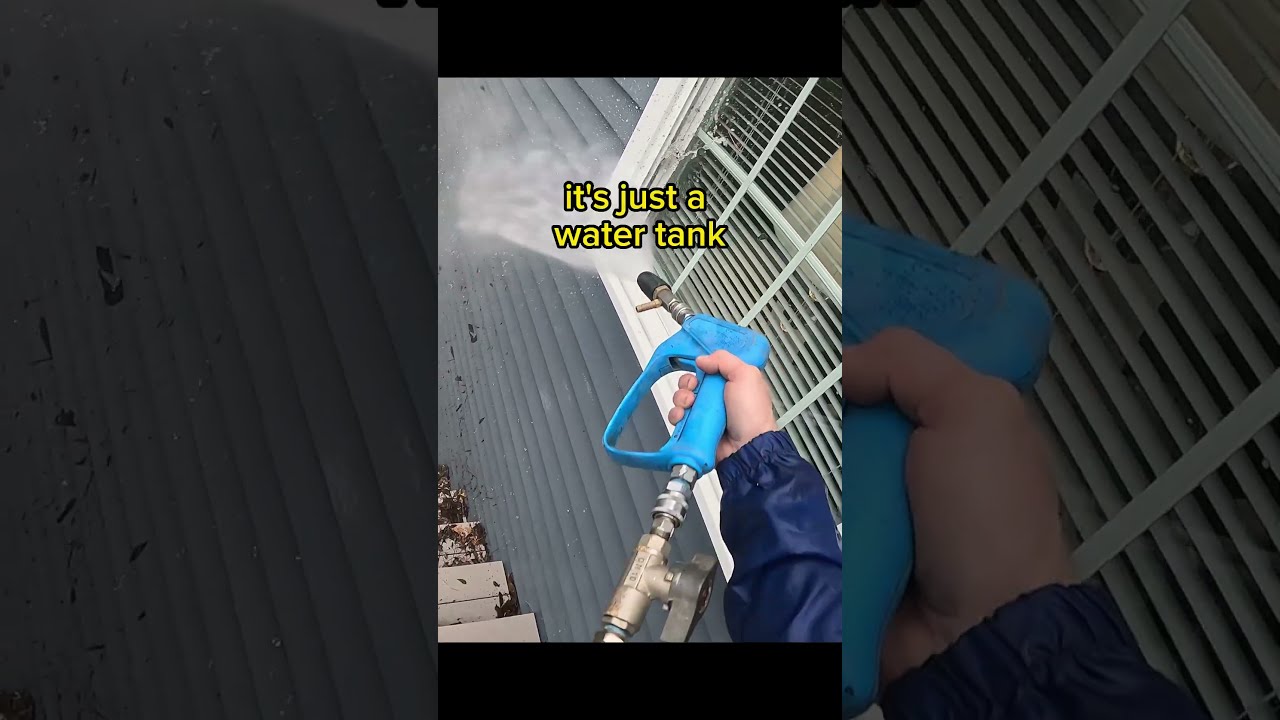
Sound concrete and brick may tolerate pressure cleaning, but excessive pressure can etch surfaces, damage mortar and remove jointing sand. Use the lowest effective pressure and a suitable nozzle, keeping it moving. Avoid directing the jet into joints, cracks or edges.
Natural Stone and Older Paths
Natural stone requires surface-specific advice. Acidic products, including vinegar, can damage limestone and marble and affect cement-based joints. Older bricks, sandstone and deteriorating surfaces may also be unsuitable for high-pressure cleaning. When the material or its condition is uncertain, seek professional advice before treatment.
Prevent Algae from Returning
Cleaning works https://landenfepq656.bearsfanteamshop.com/choosing-a-pressure-cleaning-service-9-questions-to-ask best when you also address persistent moisture. Prune overhanging growth where appropriate to improve airflow and sunlight, clear leaves regularly, and adjust sprinklers so they water plants rather than paving. Repair leaks and investigate standing water instead of repeatedly cleaning the same patch.

Inspect shaded paths during Melbourne’s wetter months and remove early growth before it spreads. If considering a sealer, confirm that it suits the paving and preserves adequate slip resistance when wet; sealing alone does not prevent algae.

When to Call a Melbourne Path-Cleaning Service
Professional cleaning is worth considering for extensive growth, steep paths, delicate stone or areas where wastewater is difficult to contain. Ask how the provider protects plants, controls runoff and adjusts equipment for your paving. A careful assessment and surface-appropriate treatment help restore a cleaner, safer garden path without unnecessary damage.
Melbourne Pressure Cleaning Pros
(03) 8007 3103
Corrections
Spot something wrong? Send it to the desk and it gets fixed in the open.